


-

Add: HeBei ShengShi HongBang Cellulose Technology CO.,LTD.
-

Email
13180486930@163.com -

CONTACT US
+86 13180486930
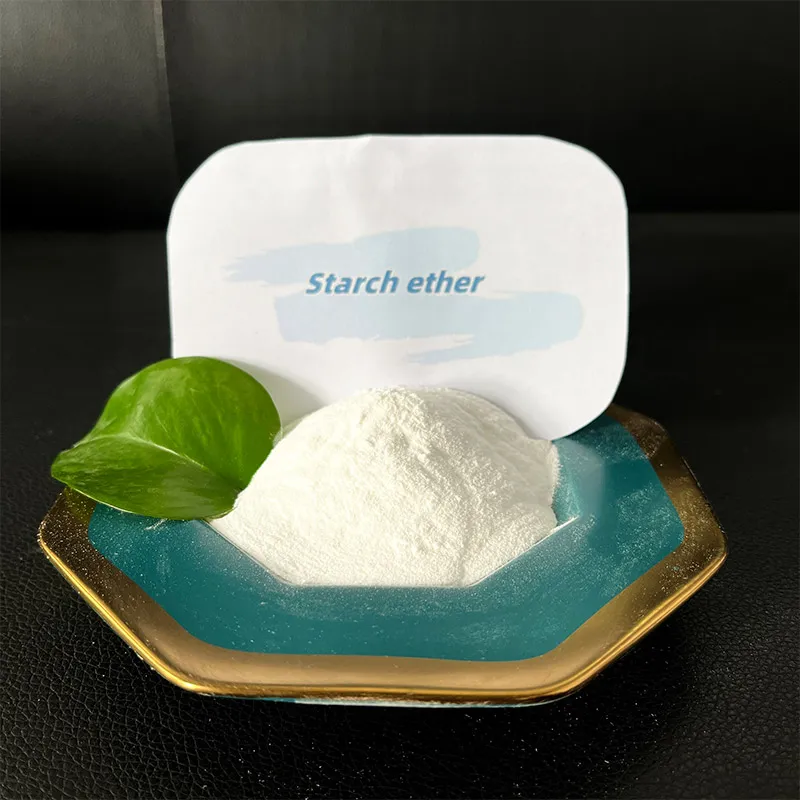
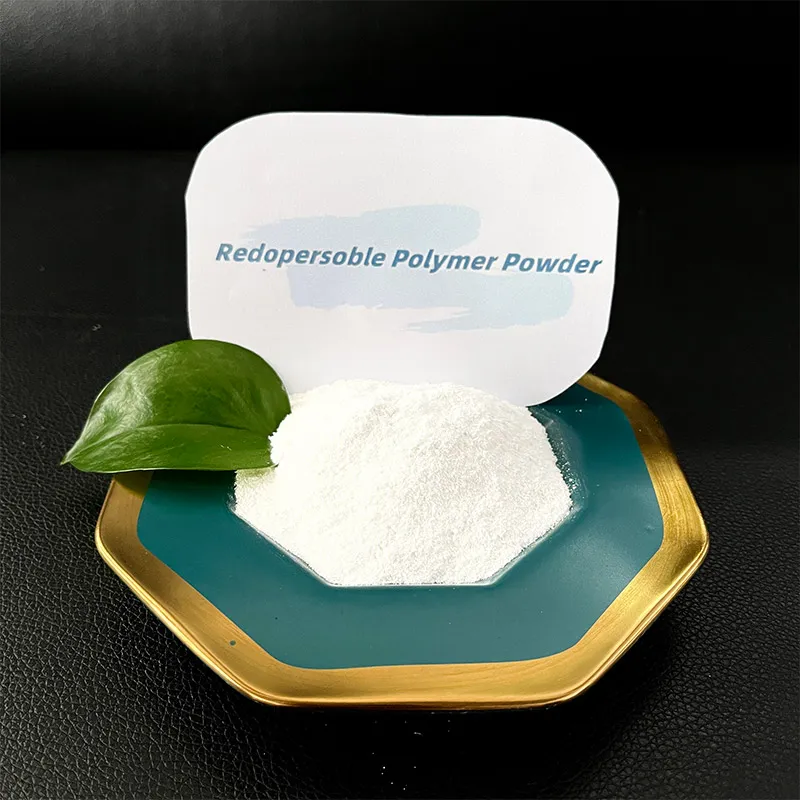


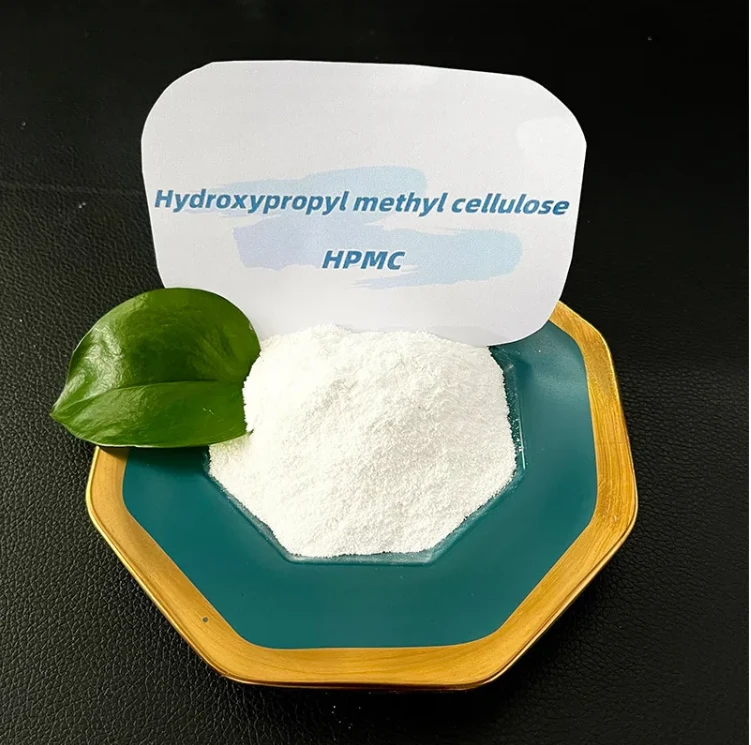


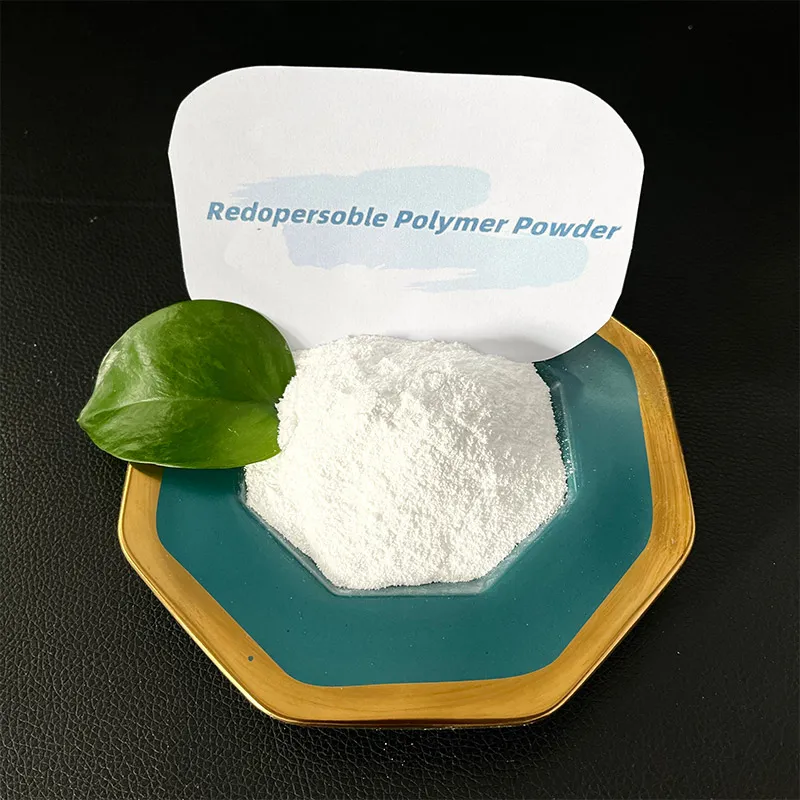
Thin-bed mortars are a cornerstone of modern construction, valued for their precision in tile installation, plastering, and bonding. At the heart of their performance lies polymer powder , a transformative additive that enhances adhesion, flexibility, and durability. Alongside redispersible polymer powder and redispersible powder variants, it elevates mortar quality, making thin-bed applications more reliable and long-lasting. Hebei ShengShi HongBang Cellulose Technology CO.,LTD, a professional manufacturer with over 20 years of experience, located in Hebei Province Xinji provincial clean chemical Industry Park with excellent transportation links, extends its expertise beyond HPMC to include high-quality polymer additives. Their advanced German production processes and daily capacity of 80–100 tons make them a trusted partner for wholesalers seeking top-tier construction materials. This article explores how polymer powder functions in thin-bed mortars, highlighting its key roles and benefits. Types of Redispersible Polymer Powder for Thin-Bed Mortars Polymer Powder: Polymer powder is a generic term for powdered polymers that dissolve or disperse in water, forming a film when dried. In thin-bed mortars, it acts as a binder, improving cohesion between cement, aggregates, and substrates. Wholesalers can note that its versatility makes it suitable for a range of mortar types, from tile adhesives to repair mortars. Redispersible Polymer Powder: Redispersible polymer powder is a specialized variant that, when mixed with water, re-disperses into a stable emulsion. This unique property ensures uniform distribution throughout the mortar, enhancing its overall performance. It is particularly effective in thin-bed applications where even coverage and strong adhesion are critical. Hebei ShengShi HongBang’s redispersible polymer powder is engineered for consistent results, meeting the demands of high-precision construction. Redispersible Powder: Redispersible powder (a broader term encompassing redispersible polymers) offers tailored benefits, such as enhanced water resistance or flexibility. These variants are ideal for thin-bed mortars used in humid environments, like bathrooms, or areas prone to slight movement, such as kitchens. Their adaptability makes them a valuable addition to any wholesaler’s product lineup. Enhancing Adhesion with Redispersible Polymer Powder Film-Forming Binder: Redispersible polymer powder forms a continuous polymer film within the mortar as water evaporates. This film bridges gaps between mortar particles and the substrate (e.g., tiles, concrete), creating a strong mechanical bond. In thin-bed mortars, where contact area is limited, this enhanced adhesion prevents tile slippage and ensures long-term stability. Improved Bond to Diverse Surfaces: Thin-bed mortars often need to adhere to challenging substrates like glass, metal, or painted surfaces. Polymer powder modifies the mortar’s surface tension, allowing it to wet and bond to these materials effectively. This versatility reduces the need for specialized primers, simplifying installation and lowering costs—an advantage wholesalers can emphasize to clients. Resistance to Water and Moisture: Redispersible powder enhances the mortar’s water resistance by forming a hydrophobic film. This is crucial in thin-bed applications in wet areas, such as showers or swimming pools, where moisture penetration could weaken the bond. The polymer barrier prevents water from breaking down the mortar structure, extending its lifespan. Performance Benefits of Polymer Powder in Thin-Bed Mortars Performance Aspect Mortar with Polymer Powder Standard Mortar (Without Polymer Powder) Advantage for Construction Flexibility High; withstands minor substrate movement Rigid; prone to cracking under stress Reduces tile or plaster damage from structural shifts. Adhesion Strength Excellent bond to diverse substrates Limited adhesion to non-porous surfaces Ensures long-term stability in tile and stone installations. Water Resistance Resistant to moisture penetration Susceptible to water damage Ideal for wet areas like bathrooms, kitchens, and swimming pools. Workability Smooth, easy to spread with minimal sagging May be stiff or runny Improves installer efficiency and reduces material waste. This table helps wholesalers clearly demonstrate how polymer powder elevates thin-bed mortar performance, making it a must-have additive for quality-focused clients. Key Functions of Redispersible Powder in Thin-Bed Mortars Reducing Shrinkage: Thin-bed mortars are prone to shrinkage as they dry, which can cause cracks or debonding. Redispersible powder minimizes shrinkage by increasing the mortar’s flexibility, allowing it to contract slightly without losing integrity. This is especially important in large-area installations, where uniform drying is challenging. Enhancing Cohesion: Polymer powder improves the mortar’s cohesion, preventing segregation of cement and aggregates. This ensures a smooth, homogeneous mix that spreads evenly, reducing the risk of voids or weak spots in the thin bed. Enhanced cohesion also makes the mortar easier to handle, reducing installer fatigue. Boosting Durability: Mortars containing redispersible polymer powder are more resistant to abrasion, impact, and chemical exposure. This durability extends the lifespan of thin-bed applications, reducing the need for repairs or replacements. It is particularly valuable in high-traffic areas, such as commercial lobbies or retail spaces. Polymer Powder FAQS What Dosage of Redispersible Polymer Powder Is Ideal for Thin-Bed Mortars? Typically, redispersible polymer powder is used at 3–8% by weight of cement in thin-bed mortars. Lower dosages (3–5%) improve basic adhesion, while higher dosages (6–8%) enhance flexibility and water resistance. Hebei ShengShi HongBang’s technical team can recommend precise dosages based on specific mortar formulations and project needs. Is Polymer Powder Compatible with Other Mortar Additives? Yes, polymer powder works well with common additives like cellulose ethers, plasticizers, and retarders. It complements these materials, enhancing overall mortar performance without adverse reactions. This compatibility simplifies formulation for wholesalers and ensures versatility across applications. Can Redispersible Powder Improve Mortar Workability in Cold Weather? Absolutely. Redispersible powder lowers the mortar’s water demand and improves its flowability, even in cold temperatures. This ensures consistent workability during winter installations, reducing the risk of premature setting or poor adhesion. Does Polymer Powder Affect the Setting Time of Thin-Bed Mortars? In moderate dosages, polymer powder has minimal impact on setting time. However, high dosages (over 8%) may slightly extend curing, which can be beneficial in hot climates where rapid drying is a concern. Hebei ShengShi HongBang offers formulations tailored to balance workability and setting time. Where Can Wholesalers Source Quality Polymer Powder for Thin-Bed Mortars? Hebei ShengShi HongBang Cellulose Technology CO.,LTD provides premium polymer powder and redispersible powder products, designed to optimize thin-bed mortar performance. Visit their website to explore their range and partner with a manufacturer renowned for quality and reliability in construction materials.
- 40000tons

Production
- 20+years

Experience
- 5000+㎡

Acreage

-
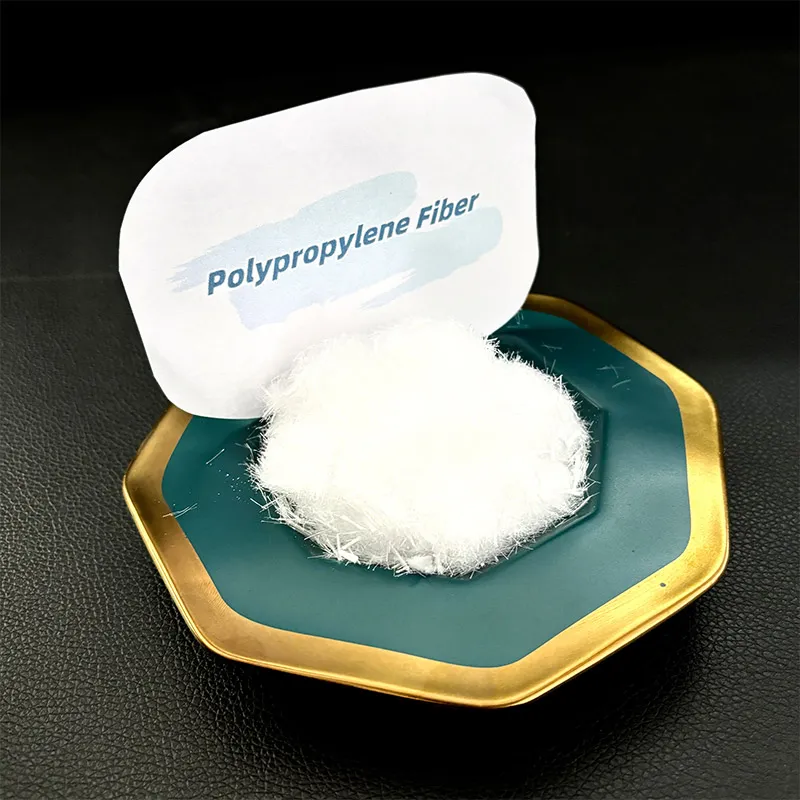
In the world of construction and textiles, innovative materials like polypropylene fiber and acrylic fiber are transforming traditional methods. Whether for enhancing concrete structures or creating durable fabrics, these fibers offer unparalleled versatility. If you're exploring polypropylene fiber for sale , you’re investing in a material that combines strength, durability, and cost-effectiveness. Polypropylene Fiber: A Revolution in Construction Materials Polypropylene fiber has emerged as a game-changing material in construction, particularly in concrete reinforcement. Known for its lightweight yet high-strength properties, it provides exceptional durability to concrete structures. When integrated into polypropylene fiber reinforced concrete , it significantly reduces cracking, improves toughness, and enhances resistance to wear and tear. The availability of polypropylene fiber for sale has made it easier for builders and manufacturers to access this cost-effective solution. By incorporating polypropylene fiber , you can ensure that your projects meet modern standards of durability and sustainability. Whether it’s for residential buildings, industrial floors, or road construction, this fiber is a valuable addition to any construction project. Polypropylene Fiber Reinforced Concrete: Strength and Longevity Combined When it comes to structural integrity, polypropylene fiber reinforced concrete stands out as a top choice for builders. By dispersing fibers throughout the concrete mix, it improves tensile strength, reduces shrinkage cracks, and enhances overall performance. This innovative solution is particularly effective in applications like pavements, precast products, and water-retaining structures. For contractors looking for polypropylene fiber for sale , choosing a high-quality supplier ensures the best results. The benefits of polypropylene fiber reinforced concrete extend beyond durability; it also reduces maintenance costs, minimizes downtime, and supports eco-friendly construction practices. Acrylic Fiber: Versatility Beyond Construction While polypropylene fiber dominates the construction industry, acrylic fiber is a leader in textiles and apparel. This synthetic material mimics the softness and warmth of wool, making it a popular choice for clothing, home furnishings, and industrial fabrics. Its resistance to fading, shrinking, and mildew ensures that products made from acrylic fiber remain durable and vibrant over time. As you explore polypropylene fiber for sale , consider the complementary benefits of acrylic fiber in creating a diverse range of products. Both fibers are known for their cost-effectiveness and adaptability, making them ideal for businesses that prioritize quality and efficiency. Why Choose Polypropylene Fiber for Your Projects? The increasing demand for polypropylene fiber for sale highlights its significance across industries. For construction professionals, polypropylene fiber offers an affordable and practical way to enhance the durability of concrete. Its lightweight nature makes it easy to handle and integrate, reducing labor costs and speeding up project timelines. Meanwhile, businesses in textiles benefit from the versatility of acrylic fiber , which provides a balance of comfort and performance. Whether you're working on infrastructure development or creating stylish garments, these fibers offer the reliability and innovation required to succeed. Explore Polypropylene Fiber for Sale Today If you’re ready to take your projects to the next level, look no further than polypropylene fiber for sale . With its superior strength, affordability, and environmental benefits, polypropylene fiber and polypropylene fiber reinforced concrete are essential for modern construction. Additionally, the complementary qualities of acrylic fiber ensure that industries beyond construction can also reap the rewards of advanced materials. Investing in these fibers means embracing the future of durable, sustainable, and versatile materials. Transform your projects with polypropylene fiber and experience the benefits of innovation firsthand.
-
Optimize your industrial solutions with fine rubber powder, nitrile rubber powder, and advanced production lines. About HeBei ShengShi HongBang Cellulose Technology CO.,LTD. Official Website: https://www.sshbhpmc.com Phone: +86 13180486930 Email: 13180486930@163.com Mobile: +86 13180486930 Address: Room 1904, Building B, Wanda Office Building, JiaoYu Road, Xinji City, Hebei Province With over a decade of innovation, scientific strength, and global market service, we focus on high-value rubber powder and its applications for industrial, construction, and adhesive sectors. Rubber powder-821 Rubber Powder represents a significant innovation as a highly effective binder for ceramic tiles. Rubber powder uses are substantial in modern tile adhesives, extending also to waterproof coatings, modifying agents in plastic and rubber industries, and anti-tack agents in processing lines. Explore full product specs and technical data at the product page . rubber powder price fine rubber powder nitrile rubber powder rubber powder coating Industry Trends and Wide-ranging Applications of Rubber Powder Uses In recent years, the rubber powder uses market has seen significant growth in both quality and application domains, driven by the sustainability movement and cost optimization in manufacturing. The global rubber powder price fluctuates between USD $800 and $1,200 per ton, depending on type, specifications, and market demand. Key applications include: Tile Adhesive & Mortars: Enhances adhesion, flexibility, and durability. Asphalt & road paving: Improves elasticity and anti-aging characteristics. Construction coatings: Provides waterproofing and anti-crack features. Plastic & rubber modification: Serves as a reinforcing and anti-tack agent. Industrial anti-tack agent: Added as fine rubber powder or rubber anti tack powder to prevent agglomeration during processing. Key Parameters & Rubber Powder Uses Table Application Grade/Type Particle Size (μm) Binder Strength (Mpa) Rubber Powder Price (USD/ton) Tile Adhesive Rubber powder-821 80-150 2.6 920-1050 Asphalt Modifier Fine Rubber Powder 60-120 3.1 950-1200 Rubber Compounding Nitrile Rubber Powder 100-200 2.2 900-1100 Industrial Anti-tack Rubber Anti Tack Powder 80-150 1.7 820-930 Coatings Rubber Powder Coating 80-140 2.4 870-1180 Additive Filling Talc Powder for Rubber 10-50 n/a 200-320 Rubber powder production line technologies have enabled customizable solutions, reducing environmental waste and boosting efficiency across industries. Rubber Powder Uses Technical Parameter Trends EEAT: Professionalism in Rubber Powder Uses With 15+ years of experience, HeBei ShengShi HongBang Cellulose Technology CO.,LTD. delivers industry-leading rubber powder products and bespoke production line solutions. Our R&D and testing procedures adhere strictly to ISO 9001, and each batch of fine rubber powder , nitrile rubber powder , rubber anti tack powder , and talc powder for rubber meets stringent quality benchmarks ( ScienceDirect ). Referenced by top industry forums like Polymer Innovation Blog , our process ensures stable rubber powder price and reliable technical service across the globe. We provide comprehensive technical specifications, application consulting, and after-sales services for all customers and partners. Professional FAQ – Key Terms on Rubber Powder Uses Q1: What are the core material types of rubber powder? The primary types are fine rubber powder (from scrap tires), nitrile rubber powder (for oil resistance), and modified rubber powders for specific industries. Q2: What is the standard particle size for rubber powder-821? Typical ranges are 80-150 μm, optimized for strong binding in tile adhesives and low-residue surface. Q3: What technical standards define quality in rubber powder production? Standards include ISO 9001 for manufacturing, GOST, ASTM D5603 (for particle fineness), and EN 12014 for adhesives. Q4: How does rubber anti tack powder function in processing? It prevents sticking and agglomeration of rubber sheets or particles during industrial processes, ensuring smooth downstream processing. Q5: What is the technological advantage of a modern rubber powder production line? Automated lines utilize cryogenic grinding and advanced sieving, producing uniformly fine rubber powder for a wide range of rubber powder uses . Q6: How does talc powder for rubber differ from standard fillers? Talc acts both as a filler and an anti-tack agent, enhancing workability and surface smoothness, compared to mineral or silica-only fillers. Q7: Are there recommended mixing ratios for tile adhesive applications? Yes, optimal formulas incorporate 2.5–5% rubber powder uses relative to binder/cement content for strong adhesion and crack resistance. References & Further Reading: [1] Applications of Recycled Rubber Powder, Polymer Innovation Blog, polymerinnovationblog.com/applications-of-recycled-rubber-powder [2] ScienceDirect - Rubber Powder, sciencedirect.com/topics/engineering/rubber-powder [3] G. Smith et al, “Mechanical and Chemical Properties of Rubber Powders Used in Construction,” Journal of Materials Science, 2024. [4] More information, technical guides, and price support at HeBei ShengShi HongBang Cellulose Technology CO.,LTD.
advantages
-

200000 Viscosities
Excellent product
We can produce pure products up to 200,000 viscosities
-

40000 tons
High yield
We don’t stop production all year round, and the annual output can reach 40,000 tons
-

24 hours
Quality service
We provide 24-hours online reception service, welcome to consult at any time
———— Inquiry Form
Schedule A services

-
 hpmc_hydroxypropyl_methyl_cellulose
Oct . 25, 2025
Understanding HPMC Adhesive for Tiles An In-Depth Overview Tile installation is a critical aspect of -
 bubuk_emulsi_yang_dapat_didispersikan_kembali
Oct . 25, 2025
The digital marketplace thrives on innovation, technological advancement, and the ability to solve r -
 hpmc_chemical_structure
Oct . 25, 2025
The HPMC K100M viscosity grade is revolutionizing the landscape of the pharmaceutical and constructi


